The Remediation Process Explained: What Happens After You Call for Help
The first call usually comes at a rough moment. A pipe has burst. A musty smell has turned into visible growth around an air vent. A kitchen fire left behind greasy soot and an odor that seems to settle deeper by the hour. Sometimes it is storm season in Florida, and the damage is obvious. Other times it is quieter than that, a ceiling stain, a warped baseboard, a powdery pipe wrap in an older property that suddenly raises a bigger question.
What most people want to know is simple: what happens next?
The remediation process can feel mysterious if you have never gone through it before. Crews arrive in protective gear, equipment starts humming, rooms get sealed off, and the house or building stops feeling normal for a while. That can be unsettling. It helps to understand that good remediation is not random cleanup. It is a controlled process meant to identify the problem, stop it from spreading, remove what can safely be removed, and create conditions that allow the property to recover.
That basic logic applies whether the job involves mold remediation Lake County homeowners deal with after a leak, water damage restoration Central Florida properties need after flooding, fire damage restoration after smoke and soot contamination, biohazard cleanup in a sensitive area, odor elimination when smells linger in porous materials, or storm damage restoration Florida residents often face after heavy rain and wind.
The call starts the clock
Once you call for help, the first priority is figuring out whether the situation is an emergency, a same-day response, or a scheduled inspection. Water moving through a structure is urgent because time matters. Florida health guidance notes that standing water can allow common molds to take hold in as little as 24 hours. That does not mean every damp surface becomes a major mold project overnight, but it does mean delay works against you.
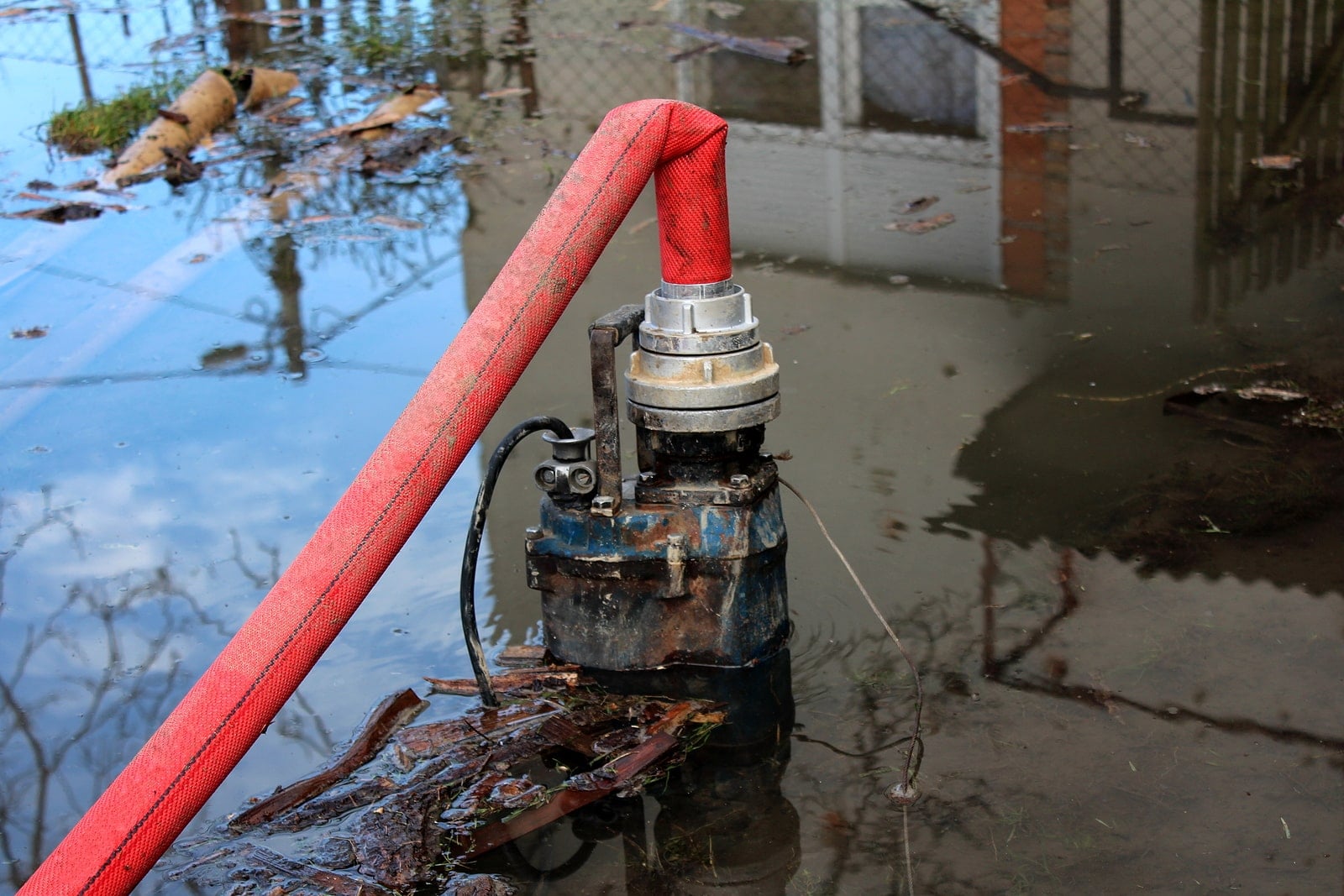
With active water loss, the early goal is straightforward: stop the source if possible, limit further spread, and begin drying. After storms or flooding, the CDC has been very clear that drying a home and removing water-damaged items is one of the most important steps in preventing mold damage. That principle guides a lot of what happens in the first day.

Not every call is about water. A suspicious material in an older building may point toward asbestos concerns. The EPA has said asbestos may be found in older homes and buildings, and renovation or damage to materials like floor tile, ceiling tile, pipe wrap, siding, or shingles can disturb it. In that situation, a good response is slower and more controlled. You do not want eager demolition. You want assessment, containment, and properly trained professionals if the material is damaged or likely to be disturbed.
That difference is worth emphasizing. Fast is not always the same as rushed. The right first move depends on the hazard.
The first site visit is part detective work
When a crew arrives, the visible damage is only part of the story. The real question is what caused it, how far it traveled, and what hidden conditions might keep the problem alive if they are ignored.
A small ceiling stain can lead to soaked insulation above it. A bathroom odor can turn out to be moisture trapped behind tile. Smoke damage from a stovetop flare-up may have spread farther through the air than the dark marks around the range suggest. A contaminated HVAC system can move particles or moisture-related issues from one area to another, which is why HVAC mold concerns deserve careful attention rather than a quick spray-and-go approach.
This initial visit usually focuses on three things: safety, scope, and urgency. Safety asks whether there are immediate hazards. Scope asks how much of the structure or contents are affected. Urgency asks what has to happen right now to prevent escalation.
If you are the property owner or occupant, it helps to have a few details ready:
- when you first noticed the problem
- whether the source is still active
- which rooms have visible damage or odor
- whether anyone has already cut into walls, removed materials, or attempted cleanup
- whether the building has an HVAC system that may have been exposed
Those details matter more than people realize. A leak active for two hours presents a different drying challenge than one that went unnoticed for a week. A smoke event confined to one room is different from a fire that pushed residue through the air handler. A suspected asbestos issue in an untouched material is handled differently than one that has already been broken apart during renovation.
Why containment shows up so early
One of the first visible signs of a serious remediation job is containment. Plastic barriers go up. Access gets restricted. Air movement is managed. To someone living through it, that can look dramatic. In practice, it is often the most responsible part of the process.
Containment exists to keep a localized issue from becoming a whole-property issue. With mold, the concern is disturbing affected material and spreading contamination into clean areas. With asbestos, the stakes are even more obvious. Florida’s asbestos program is designed to minimize the release of fibers during abatement, remediation, handling, and disposal of asbestos-containing materials. If there is reason to suspect asbestos, especially in older damaged materials, casual cleanup is exactly what you do not want.
Fire and smoke losses also benefit from control. Soot is fine, mobile, and messy. Once it gets tracked or blown through a property, the cleanup becomes broader and more expensive. Biohazard cleanup has its own safety protocols for obvious reasons, and those areas should never be treated like ordinary janitorial work.
Containment can be inconvenient, especially if it blocks a kitchen, bedroom, or hallway. But it is usually a sign that the team is trying to limit cross-contamination, protect unaffected spaces, and keep the job from growing.
Drying is not just putting out fans
People often assume water damage restoration is mostly about equipment. They picture a few air movers and a dehumidifier and think the process is simple. The truth is that drying is controlled moisture management, and bad decisions early can create a second problem after the first one seems solved.
Florida’s climate complicates the picture. Humidity is already working against you, and the Florida Department of Health says indoor humidity should be kept below 60 percent. If a property cannot get below that range without adding a dehumidifier, the department advises that the air conditioning system should be examined for problems. That matters because some buildings are not just wet from a single event, they are also struggling with ongoing moisture control.
A good drying plan looks at what got wet, how porous it is, how long it has been wet, and whether trapped moisture is likely behind or beneath the visible surface. Carpet, pad, drywall, insulation, cabinets, framing, and subfloor all behave differently. Some materials can often be dried if addressed quickly. Others lose integrity or become contamination risks and are better removed.
This is where professional judgment comes in. Standards for water damage restoration exist through the IICRC, and trained crews use that framework to guide the work. The process is not magic, but it is methodical. Drying should be documented, adjusted as conditions change, and tied to the actual structure rather than to a guess based on how things look on the surface.
Mold remediation is about moisture first, cleanup second
One of the most common misunderstandings in mold work is thinking the visible growth is the core problem. It is not. The moisture that allowed it to grow is the core problem.
Florida health guidance is direct on this point. Mold is strongly linked to moisture, and if mold returns quickly, an underlying leak or moisture source should be fixed first. That sounds obvious, yet many failed jobs begin with someone cleaning the surface without solving the reason it became moldy in the first place.
So what happens after you call for mold remediation Lake County property owners often need? First, the team looks for the water source or humidity issue. That may be a plumbing leak, roof intrusion, condensation, or a building that simply is not controlling indoor humidity well. In some homes, the HVAC system becomes part of the conversation. The state health department notes that if HVAC may be contaminated with mold, homeowners should consult EPA guidance before moving forward. That is a good reminder that HVAC mold concerns should be handled carefully, not with assumptions or cosmetic treatment.
Once the moisture issue is identified, remediation focuses on affected materials and the spread risk. Depending on the situation, that can involve containment, removal of unsalvageable materials, cleaning of impacted areas, and drying to acceptable conditions. If the mold is in or around an air handling system, the work may also need to account for HVAC assessment standards the IICRC publishes for water, fire, or mold damage.
The practical takeaway is this: if someone promises to “kill mold” without spending much time on the moisture source, be cautious. Fast talk is not the same as remediation.
Asbestos concerns change the tempo
Suspected asbestos is one of the clearest examples of why every damage call should not be treated the same way. In older properties, damaged floor tile, ceiling tile, pipe wrap, siding, or shingles can raise check it out legitimate concern. The EPA advises using a properly trained and accredited asbestos professional when damaged material may contain asbestos or when renovation is likely to disturb it.
That means the right first step is often restraint. Do not rip it out. Do not sweep it up. Do not let a general cleanup effort disturb something that should have been evaluated first.
For asbestos abatement Groveland FL property owners may seek, the process is shaped by regulation and control. In Central Florida, it is useful to know that state asbestos oversight for the Central District can legitimately involve counties including Lake, Orange, Seminole, and Osceola. That regional context matters because people often assume county lines change the basic safety expectations. They do not. The core goal remains minimizing fiber release during abatement, handling, and disposal.
When asbestos is on the table, the timeline may feel slower than a standard tear-out job. That is not a flaw. It is part of doing the work safely.
Fire damage is more than char and ash
After a fire, people naturally focus on what burned. The less obvious damage often causes the longer cleanup. Smoke residues can settle beyond the fire area. Odors can bind to porous materials. HVAC systems may circulate contamination. Moisture from firefighting can create a separate drying issue, which means one event can trigger both fire damage restoration and water damage restoration.
Fire jobs also vary wildly. A pan fire in the kitchen can leave stubborn film and smell in adjacent rooms. A larger structural fire can affect framing, insulation, contents, and air pathways throughout the property. The IICRC has standards for fire and smoke damage restoration because the work is more specialized than wiping surfaces and airing out the space.
Odor elimination after a fire is a good example of why patience matters. If the source residues remain in materials, no deodorizing product will fix the problem for long. Real odor work starts with source removal or cleaning. Otherwise, the smell tends to come back, especially when heat or humidity rises.
Storm losses in Florida rarely stay simple
Storm damage restoration Florida properties require often starts with visible roof leaks, wet flooring, or broken openings, but the longer story can include elevated humidity, delayed drying, contaminated water, and mold risk if the property stays damp.
In Central Florida, severe afternoon storms and larger seasonal weather events create a pattern many owners know too well. Water enters one area, migrates farther than expected, and lingers in a building envelope that already sits in humid air. That is why storm jobs should not be judged by the puddles alone. The hidden moisture load matters.
Safe cleanup after storms and floodwater has been emphasized by public health agencies for years, and with good reason. A rushed cleanup can expose people to contaminated materials, while a delayed one can allow mold to take hold. The best storm response balances speed with control.
What “IICRC-certified remediation” usually signals
Clients often ask what credentials matter. One phrase they may hear is IICRC-certified remediation. The value of that language is not that it guarantees perfection. No credential can do that. Its practical value is that the IICRC publishes recognized standards for water damage restoration, mold remediation, HVAC assessment after water, fire, or mold damage, and fire and smoke damage restoration.
In the field, that tends to mean the company is at least working from an established professional framework instead of improvising every job. Standards help crews make consistent decisions about containment, removal, drying, cleaning, and documentation. They are especially useful on complicated losses, where one bad call can extend the timeline or increase contamination.
For a property owner, that background matters most when the damage is not straightforward. A simple cleanup may not expose the difference. A mixed loss involving water, humidity, smoke, and HVAC concerns usually will.
What you may experience during the active job
The middle part of remediation is the least glamorous and often the most disruptive. Rooms may be off-limits. Equipment noise can become the soundtrack of your day. Materials that looked fine on the outside may be opened up for inspection or removal. The place can look worse before it looks better.
That does not automatically mean the job is going badly. Sometimes exposing the true extent of damage is the only way to address it correctly. A wall cavity can hide moisture. A cabinet toe-kick can conceal water spread. A return duct can reveal contamination you would never see from the living room.
This is also the stage where clear communication matters. You should understand what the crew is doing, what conditions they are tracking, and what would cause the plan to change. Good remediation is responsive. If drying targets are not being met, equipment may need adjustment. If contamination extends farther than the first inspection suggested, containment or removal may expand. If a suspected moisture source turns out to be part of the HVAC system, the conversation may shift.
The handoff back to normal life
People often think remediation ends when the equipment leaves. In reality, there is a practical handoff period where the property transitions from controlled work zone back to occupied space.
That handoff may involve confirming that the moisture issue has been addressed, making sure removed materials are ready for repair or rebuild, and ensuring the affected areas are no longer actively posing the same hazard. On some jobs, restoration and reconstruction are separate phases. Remediation deals with the damage and contamination issue. Rebuilding deals with putting materials back.
This distinction surprises some owners. Drywall removal is not the same as drywall replacement. Cleaning smoke residue is not the same as repainting. Drying framing is not the same as reinstalling flooring. Knowing where remediation stops helps set better expectations.
A few red flags worth noticing
Not every company handles losses with the same care. If the process feels sloppy at the start, it rarely gets better later. Pay attention to warning signs like these:
- a promise to solve mold without addressing moisture
- demolition of suspected asbestos-containing materials without trained asbestos professionals
- heavy emphasis on fragrance or fogging for odor elimination before source cleanup
- little interest in humidity, HVAC conditions, or hidden moisture after water damage
- vague answers when you ask what standards guide the work
Most poor outcomes are not caused by one dramatic mistake. They come from a chain of shortcuts. A little impatience during containment, a little guesswork during drying, a little optimism about materials that should have been removed, and a little avoidance around the real source of the problem. Those choices add up.
When 24/7 emergency restoration really matters
There is a reason 24/7 emergency restoration exists. Some losses genuinely cannot wait until morning. Active water intrusion, significant flooding, storm breaches, and some biohazard cleanup situations all benefit from immediate action because delay allows damage to spread, odors to set, and mold risk to rise.
That said, not every after-hours call should trigger aggressive demolition. Emergency response should secure the property, reduce active harm, and set up the next correct step. The best crews know the difference between moving quickly and moving blindly.
If there is one thread connecting all remediation work, it is this: the visible damage is only the surface problem. The real work is controlling the conditions underneath it, moisture, contamination, spread pathways, and safety risks, so the property can actually recover rather than just look better for a week.
When you know that, the process stops feeling quite so mysterious. The barriers, machines, protective gear, and measured pace all start to make sense. They are not there to complicate your life. They are there to keep a bad situation from getting bigger, and to give the property a real chance of being made safe and usable again.