Central Florida Property Calendar: Rainy Season, Hurricane Season and Summer AC Strain Explained
Central Florida properties live on a weather calendar, whether the owner pays attention to it or not. In places like Groveland, Clermont, Minneola, Mascotte, Howey-in-the-Hills, Mount Dora, and Leesburg, the year does not just move from spring to summer to fall. It moves from humid buildup to daily storms, from daily storms to hurricane alerts, from AC overwork to hidden moisture problems that show up weeks later.
If you own, manage, or maintain a home or commercial building in Lake County or nearby parts of Orange, Seminole, and Osceola counties, the biggest trouble rarely starts with a dramatic disaster. More often, it begins with a damp closet wall, a ceiling stain that looks old enough to ignore, an AC system that never quite catches up, or a tenant saying the office smells “musty” after lunch.
That is why a property calendar matters. It gives you a way to think ahead, instead of reacting after materials swell, insulation gets wet, or mold growth starts behind baseboards. It also helps clarify something many owners mix up: not every wet building needs the same response, and not every cleanup company is doing the same kind of work. The difference between mitigation vs remediation matters a lot once moisture gets into drywall, flooring, or HVAC-adjacent spaces.
Why Central Florida buildings get stressed in summer
This region deals with a rough combination of heat, moisture, and sudden weather swings. Afternoon storms can dump a lot of water quickly. Humidity stays elevated for long stretches. Buildings cycle between super-cooled interiors and damp outdoor air. Every time a door opens, warm moisture tries to move inside.
That matters because buildings are systems, not boxes. If the roof is sound but the AC is oversized or poorly maintained, you can still end up with clammy indoor conditions. If the windows are fine but a drain line backs up, you can still get soaked carpet and hidden wall cavity moisture. If the structure survives a storm without obvious damage, you can still have indoor air quality Florida problems a few days later because wet materials were left in place too long.
Older homes add another layer. A home inspection older homes Florida buyers schedule may flag general age-related concerns, but the lived reality of older housing stock is that materials, ventilation patterns, and previous repairs vary wildly. One older house may dry out well after a minor leak. The next may trap moisture behind paneling or under vinyl flooring. The same is true with older commercial spaces where a roof patch from years ago, a tenant improvement, and a neglected drain pan all interact in ways no one sees until the smell changes.
The season really starts before the season
Florida’s official hurricane season runs from June 1 through November 30, and preparation is supposed to start before that window opens. That advice is easy to nod at and easy to postpone. Then the first named storm appears on the map, phone lines light up, tarps disappear from local shelves, and everybody wants a vendor the same afternoon.
Good hurricane season preparation Florida owners do in May often prevents a mess in August. It is less glamorous than storm tracking, but more useful. You want to know where water is most likely to enter, which occupants will notice it first, and who has authority to act quickly.
For a homeowner, that may mean checking past leak spots, clearing drainage paths, and understanding what is stored in garages, attics, or low closets. For a property manager, it means more. Property manager water damage calls are often complicated by access issues, communication delays, and the simple fact that a tenant may report “a little drip” when a ceiling cavity is already saturated.
The properties that recover fastest after storms usually are not the newest or most expensive. They are the ones with clear contacts, documented trouble spots, and realistic expectations about what can go wrong.
June and July, the hidden water months
People often think the worst water losses come only from hurricanes. In practice, early summer can be just as costly because buildings are already being tested every day. The roof gets soaked repeatedly. Condensate systems run harder. Occupants lower thermostats to fight the heat, which sometimes creates comfort issues that are really humidity issues.
This is when small failures become expensive ones. A clogged condensate line does not sound dramatic, but it can soak insulation, stain ceilings, and create enough persistent moisture to support mold growth. A loose roof flashing may not show up in dry weather, yet start letting water into a wall every afternoon storm. A commercial entry mat that stays damp in a shaded lobby can turn into a recurring odor complaint if humidity remains high.
This is also the time when a lot of mold myths do real damage. One common myth is that if you cannot see mold, there is no problem. Another is that testing comes first. Florida health guidance is more practical than that. If there are signs of moisture or water damage, the moisture problem itself deserves attention first. Waiting around for sampling when drywall is wet and the air feels muggy wastes valuable drying time.
In real buildings, especially occupied ones, your nose often notices trouble before your eyes do. A sweet, stale, or earthy smell after the AC starts up is worth taking seriously. So is paint that suddenly bubbles, vinyl base that loosens, or a room that feels sticky while the thermostat claims everything is fine.
When AC strain becomes a moisture problem
Every summer, people talk about AC strain as if it is only a comfort issue. It is not. In Central Florida, an overworked, under-maintained, or poorly performing air conditioning system can contribute directly to moisture trouble indoors.
When indoor humidity stays elevated, materials hold moisture longer. Towels do not dry well, bathroom paint peels, supply vents sweat, and closets on exterior walls can feel damp even if no leak is visible. In a commercial setting, staff may first notice it as a smell in conference rooms or file storage areas. In homes, it often gets described as “the house feels cold but not dry.”
I have seen plenty of situations where owners focused on temperature and missed the bigger issue. If a building is cool but clammy, drying after a leak takes longer and mold risk rises. That is why dehumidification and air scrubbers come up so often in restoration conversations. They are not interchangeable tools, and they are not cosmetic add-ons. Dehumidification targets excess moisture in the air and helps materials dry. Air scrubbers are used to improve airborne conditions during certain cleanup scenarios by filtering particulates from the work zone. One addresses moisture load directly. The other supports containment and air quality strategy in the right context.
That distinction matters because indoor air quality Florida concerns are often blamed on the wrong thing. People say “the AC smell is mold,” or “it just needs a filter.” Sometimes it is neither. Sometimes the issue is wet building material nearby, poor drying after a leak, or a long-standing humidity imbalance that shows up most strongly when the system runs hardest.
August and September, when storms expose old weak spots
Late summer has a way of revealing the history of a property. The patch that held last year may fail this year. The window that only leaked “once” may leak every time wind pushes rain from a certain direction. A tenant’s old complaint about a damp wall may suddenly make sense after a tropical system passes through.
This is the period when owners discover whether they are dealing with a fresh event or a chronic condition that finally got obvious. It affects response decisions. Fresh water intrusion with quick action can often be handled very differently from repeated wetting that has had time to affect materials.
That is where mitigation vs remediation becomes more than industry language.
- Mitigation is about limiting immediate damage, removing water, stabilizing the environment, and trying to stop conditions from getting worse.
- Remediation is about addressing contamination or damage that remains, such as mold-affected materials or persistent odor and air quality issues.
- Drying equipment and extraction may be part of mitigation, while removal of damaged materials under proper controls may be part of remediation.
- The correct path depends on what got wet, how long it stayed wet, and what conditions developed afterward.
Owners often want one visit to solve everything. Sometimes that is realistic. Sometimes it is not. If the carpet got wet yesterday and drying began quickly, that is one scenario. If wall cavities stayed damp for a week during occupied use, that is another. Commercial mold remediation in an active office or retail site requires judgment because business interruption, occupant safety, and access all matter at once.
A short calendar that actually helps
A practical seasonal rhythm beats a thick binder nobody opens. For most Central Florida properties, this five-point calendar covers the moments that matter most.
- Before June 1, review known leak areas, drainage paths, and who to call for emergency response.
- In early summer, pay attention to AC performance, indoor humidity feel, and any ceiling stains or musty odors after storms.
- During peak storm months, document water intrusion right away and act quickly if materials are wet.
- After any leak or storm event, use a water damage checklist so nothing gets missed in the first chaotic hours.
- In fall, revisit anything temporary, because a “good enough” patch from summer has a habit of becoming next year’s problem.
That water damage checklist does not need to be fancy. It needs to help people answer simple, useful questions. Where did the water come from. What materials got wet. When was it first noticed. Has the area been dried, isolated, or left untouched. In occupied buildings, those details shape everything that follows.
What property managers need to think about differently
A homeowner can decide to pull up a wet rug and run fans the same evening. A property manager often cannot. There may be multiple units, after-hours access issues, maintenance approval chains, or a tenant who reports damage late because they assumed someone else already did.
Property manager water damage cases also carry a documentation burden. You need a timeline, photos, communication logs, and a consistent process. Not only because that is good management, but because repeat moisture complaints tend to blur together if nobody writes down what happened when.
In multi-tenant or commercial properties, one water event can have several meanings at once. It may be a building envelope issue, a tenant contents issue, an indoor air quality issue, and a scheduling problem. If a reception area gets wet before a Monday opening, the urgency is not just structural. It is operational. If an office smells musty after a weekend storm, staff confidence can drop fast, even before a formal diagnosis is made.
This is where access to 24/7 emergency cleanup Lake County service becomes more than a marketing phrase. Water damage does not respect office hours. Starting extraction and drying overnight can make the difference between a manageable cleanup and material replacement a few days later.
Mold concerns, without the folklore
Mold is one of those topics where bad advice travels fast. Florida’s climate gives it plenty of opportunities, but that does not mean every discoloration is a crisis or every odor needs dramatic treatment.
The most useful starting point is still moisture. If the building stays wet, the problem gets bigger. If you remove the water source and dry the area properly, many situations stop escalating. That sounds basic, but it gets lost when people focus only on visible spotting or rush straight to sampling.
A few mold myths come up over and over. People assume bleach fixes everything. They assume a painted-over stain is a solved problem. They assume a room is safe because the smell faded. They assume mold only grows after major flooding. None of those assumptions helps. What helps is understanding where moisture traveled, what materials absorbed it, and whether the Groveland FL cleanup and restoration area dried completely.
Commercial mold remediation decisions should be made with an eye toward occupancy, affected materials, and containment needs. A small, isolated issue in a storage closet is one thing. Repeated moisture near HVAC distribution or inside occupied office areas is another. The building use changes the stakes.
Renovation season has its own environmental flags
Many owners choose fall or the drier-feeling parts of the year for renovations, especially after a hard summer exposes outdated finishes or long-ignored damage. That is sensible, but renovation in older properties raises a different question: what are you disturbing?
In Florida, asbestos work is regulated through licensure and abatement rules. Licensed professionals must meet training, experience, examination, and business qualification requirements, and applicable work practices and notification rules matter. For certain renovation or demolition scenarios, especially in older commercial, public, or residential buildings, an asbestos survey before renovation may be a critical planning step. Not every single-family situation is handled the same way, and some smaller residential projects may fall under different requirements, so the exact project context matters.
The practical takeaway is straightforward. If you are opening walls, removing old flooring, disturbing dated ceiling material, or planning a more substantial renovation in an older structure, do not guess. Build the environmental review into the project timeline before crews start tearing things out.
That same mindset applies to a home inspection older homes Florida buyers and owners rely on. An inspection is valuable, but it is not a substitute for specialized environmental evaluation when the scope of work changes. Once renovation starts, assumptions get expensive.
Odor problems are often moisture stories in disguise
One of the most misunderstood complaints in Florida buildings is odor. Owners hear “musty,” “smoky,” or “stale” and immediately look for an air freshener, a deeper cleaning, or a quick duct service. Sometimes the source is simpler, sometimes trickier.
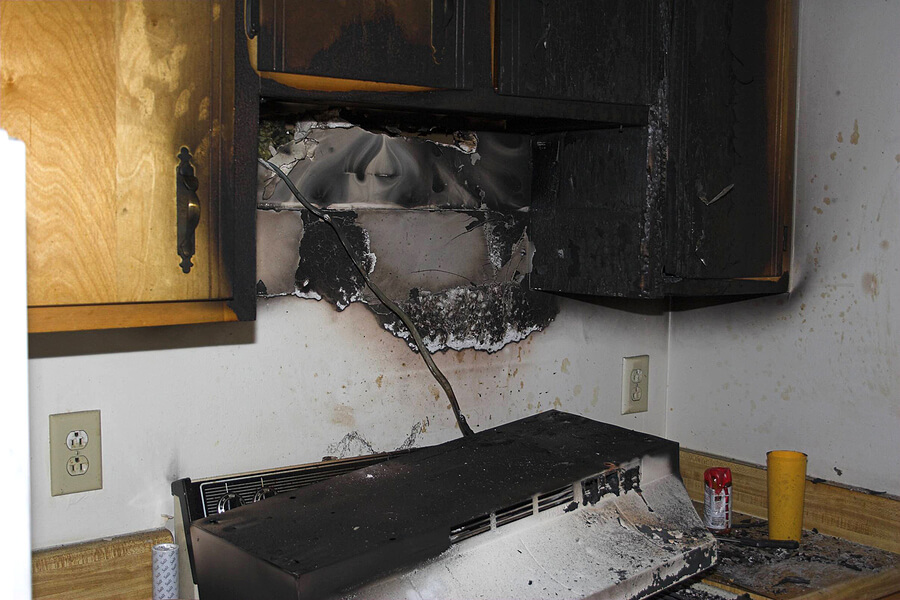
Musty odor usually sends you back to moisture history. Smoke odor removal points in a different direction, but even there, humidity can make old smells more noticeable by reactivating residue in porous materials. Wet drywall, damp carpet pad, swollen cabinetry, and neglected contents closets all hold onto odor differently.
The important thing is not to confuse masking with solving. If odor follows the weather, spikes after storms, or gets worse when the AC runs hard, that pattern tells you something. It suggests a building condition, not just a housekeeping issue.
Local judgment matters more than generic advice
There is a reason local experience counts in restoration and property maintenance. A Central Florida building in summer does not behave like a building in a dry climate. Daily storms, long humid stretches, and heavy AC use change the sequence of damage and the urgency of response.
A company serving Groveland and the surrounding counties sees patterns repeat. The same types of roof edge leaks. The same saturated insulation over retail suites. The same closet wall growth in homes where cool indoor air meets damp exterior assemblies. The same office complaints that start as “the AC feels weird” and turn out to be a moisture event nobody fully dried weeks earlier.
That is also why certifications and training matter in this field. Organizations such as the IICRC exist to support standards and education for cleaning, inspection, and restoration work, including areas tied to structural drying, microbial remediation, and building moisture inspection. Credentials are not magic by themselves, but they signal that the work involves more than fans and guesswork.
The real goal is faster decisions
Most property damage gets more expensive when people hesitate. Not always because they are careless, but because they hope the stain will stay small, the smell will fade, or the next sunny day will dry things out on its own.
Sometimes that hope works. More often in Central Florida, summer weather punishes it.
The smartest property calendar is not one that turns every damp doormat into a crisis. It is one that helps you recognize timing. June tells you to get ready before the phone starts ringing. July reminds you that AC and humidity can create problems without a major storm. August and September test every weak spot you ignored in spring. October and November give you a chance to fix things properly before the next cycle begins again.
For homeowners, that means watching the house with sharper eyes during the wet months. For managers, it means having a response plan that works after dark and on weekends. For older properties, it means respecting what you do not yet know about hidden materials and previous repairs. And for anyone dealing with water, odor, or mold concerns, it means focusing first on moisture, timing, and the right scope of work.
That is the Central Florida property calendar in plain language. Rainy season brings the daily pressure. Hurricane season raises the stakes. Summer AC strain fills in the gaps between obvious events. If you understand how those three overlap, you make better calls earlier, and buildings usually come through in much better shape.